Your First Visit to a Plant Nursery: A Beginner's Guide to Finding Your Perfect Green Companion
A plant nursery primarily grows and propagates plants on-site, while garden centers typically buy plants wholesale and resell them. This means nurseries often have healthier plants, better variety, and staff with deeper growing knowledge.
10/28/20253 min read
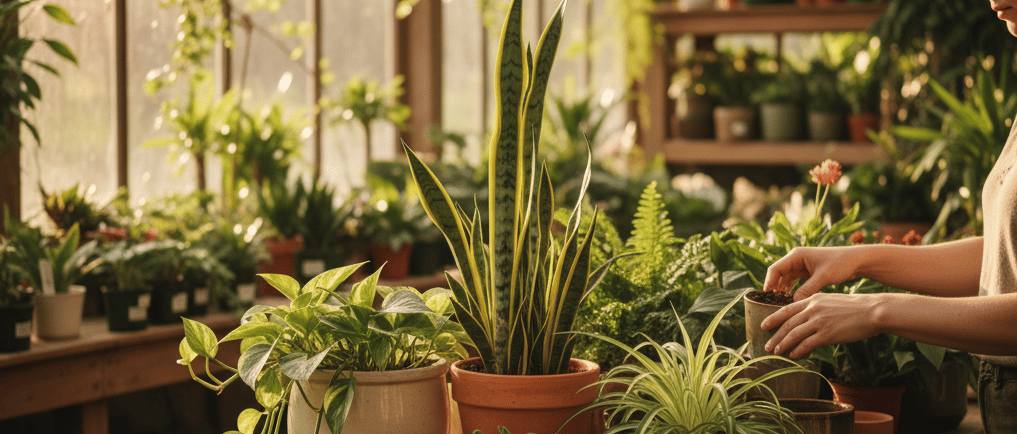
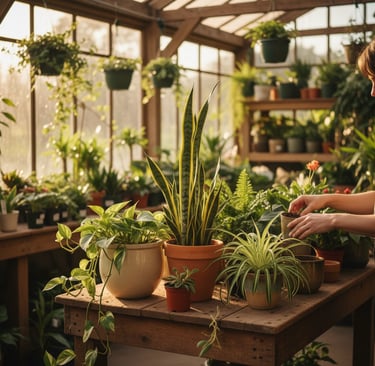
Walking into a plant nursery for the first time can feel overwhelming. Rows upon rows of green leaves, unfamiliar Latin names, and staff who seem to speak a different language entirely. I remember my first visit—I left with three plants I had no idea how to care for, and only one survived past the first month.
Here's what I wish someone had told me before that first trip.
What Makes a Plant Nursery Different from a Garden Center?
You might think these terms are interchangeable, but there's actually a key difference. A plant nursery primarily grows and propagates plants on-site, while garden centers typically buy plants wholesale and resell them. This means nurseries often have healthier plants, better variety, and staff with deeper growing knowledge.
Local nurseries also carry plants suited to your specific climate zone, which dramatically increases your chances of success.
Before You Go: Do This One Thing
Check your windows. Seriously. Before you fall in love with that gorgeous fiddle leaf fig, you need to know how much light you're actually working with. South-facing windows get the most light, north-facing the least. Take photos of your space at different times of day—this will help nursery staff recommend plants that will actually thrive in your home.
What to Look for When You Arrive
The best plant nurseries have a few things in common:
Healthy stock is the obvious one, but what does that actually mean? Look for plants with vibrant color, firm leaves (not drooping or yellowing), and visible new growth. Check the undersides of leaves for pests—tiny webs, sticky residue, or small bugs are red flags.
Knowledgeable staff should be able to answer questions about care requirements, not just point you toward the prettiest plants. Don't be shy about asking how often to water, what kind of light the plant needs, and whether it's pet-safe if you have curious cats or dogs.
Reasonable prices vary by region, but if something seems too cheap, there's usually a reason. That said, small plants are almost always a better value than large ones—they adapt better to new environments and you get the satisfaction of watching them grow.
Questions You Should Always Ask
Before you buy any plant from a nursery, get answers to these:
How much light does this need, really? (Don't accept "medium light" as an answer—push for specifics)
What's the watering schedule? (And does it change with seasons?)
How big will this get, and how fast?
Does it need humidity, and if so, how much?
Is it toxic to pets or children?
The Plants Everyone Recommends (And Why They're Actually Good Choices)
Yes, pothos and snake plants are recommended constantly. That's because they're genuinely hard to kill. If you're new to plant parenting, there's no shame in starting with the classics:
Pothos tolerates low light and inconsistent watering. It'll tell you when it's thirsty by drooping slightly, then perk right back up after a drink.
Snake plants (also called mother-in-law's tongue) can go weeks without water and survive in almost any light condition. They're the camels of the plant world.
Spider plants produce baby plants you can propagate and share with friends, making them feel like a gift that keeps giving.
Red Flags to Watch Out For
Not all plant nurseries are created equal. Leave (and maybe leave a review) if you notice:
Plants sitting in standing water or bone-dry soil
Widespread pest infestations that staff dismiss as "normal"
High-pressure sales tactics
Inability or unwillingness to answer basic care questions
Plants crammed together with no room for air circulation
Making Your Purchase Last
You found the perfect plant at the nursery—now what? Don't repot it immediately. Let it adjust to your home for at least two weeks before making any changes. The transition from nursery to home is stressful enough for plants without adding repotting trauma.
Keep your receipt and any care tags. Most reputable nurseries offer some kind of guarantee, usually 30 days, but only if you can prove you bought it there.
Supporting Local Nurseries Matters
Big box stores have plant sections, sure. But local plant nurseries employ people who genuinely care about horticulture. They're the ones who'll remember you came in last month, ask how that fern is doing, and give you honest advice about what will (and won't) work in your space.
They're also more likely to carry native plants, which support local ecosystems and require less maintenance once established.
Your Next Steps
Ready to start your plant journey? A visit to your local plant nursery is just the beginning. Once you bring your new green friend home, you'll want reliable information on care, troubleshooting, and helping your plants truly thrive.
That's where Home Plant Wellness comes in. Whether you're dealing with mysterious yellow leaves, wondering about fertilizer schedules, or just want to expand your plant knowledge, homeplantwellness.com has the resources you need to become a confident plant parent. From detailed care guides to pest solutions, you'll find everything you need to keep your nursery finds healthy and happy.
Your plants deserve the best care—and so do you.
Stay updated with our plant tips.
Contact
© 2025. All rights reserved.