Winter Pansies: The Secret to a Colorful Garden When Everything Else Has Given Up
FLOWERS
11/29/20254 min read
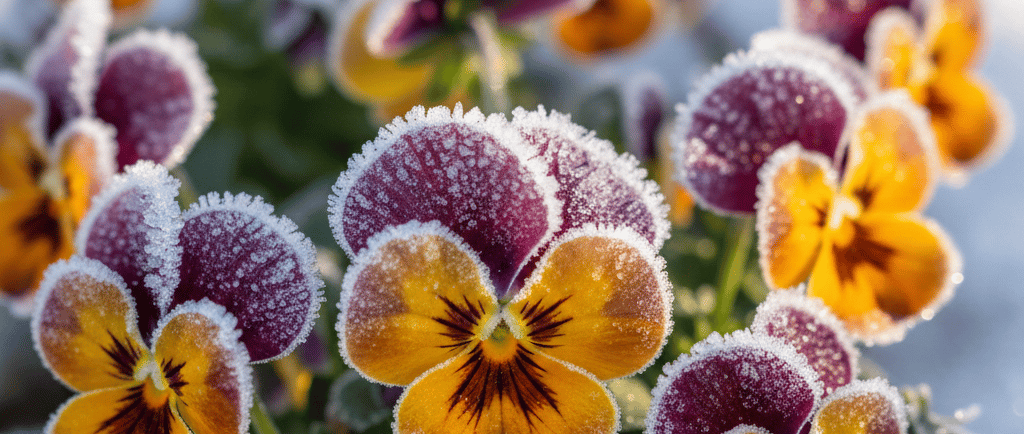
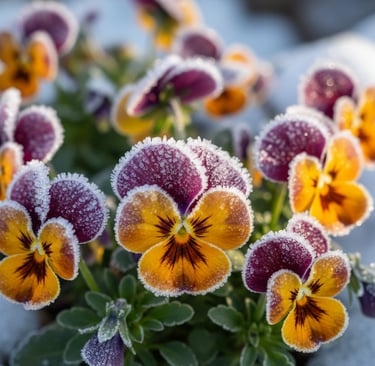
f you've ever felt that pang of sadness watching your garden fade to brown as the temperatures drop, let me introduce you to your new cold-weather best friend: winter pansies. These cheerful little flowers are absolute troopers, bringing pops of purple, yellow, orange, and white to your outdoor spaces when practically everything else has called it quits for the season.
I remember the first time I planted winter pansies. It was mid-October, and my garden beds looked pretty bleak after I'd pulled out all the spent annuals. My neighbor stopped by and asked what I was doing, and when I told her I was planting pansies, she looked at me like I'd lost my mind. "Won't they just die?" she asked. Fast forward to January, and those same pansies were blooming away while snow dusted their petals. My neighbor became a convert that year.
What Makes Winter Pansies Different?
Here's the thing about winter pansies—they're not just regular pansies that happen to survive cold weather. They're specially bred cultivars that actually thrive in cooler temperatures. While their spring-blooming cousins start to look tired once the heat kicks in, winter pansies are just getting started when the thermometer drops.
These hardy plants can tolerate temperatures down to about 20°F (-6°C), and some varieties can handle even colder conditions. They'll pause their blooming during the absolute coldest snaps, but as soon as things warm up even slightly, they bounce right back with fresh flowers.
Choosing the Right Varieties
Not all pansies are created equal when it comes to winter hardiness. Look for varieties specifically labeled as "winter pansies" or check for names like 'Matrix,' 'Colossus,' 'Dynamite,' or 'Ice Pansy.' These have been developed to handle freezing temperatures and shorter daylight hours.
The color selection is honestly incredible. You can find deep velvety purples, sunny yellows, bright oranges, pure whites, and my personal favorite—the ones with those adorable "faces" that look like they're smiling up at you from the garden bed.
Planting Tips That Actually Work
Timing matters with winter pansies. You'll want to get them in the ground about six weeks before your first expected hard frost. This gives them time to establish good root systems before winter really sets in. In most areas, that means planting anywhere from late September through early November.
Choose a spot that gets decent sunlight—at least four to six hours daily. Winter sun is weaker than summer sun, so these plants can handle more direct light than you might think. The soil should drain well because sitting in frozen, waterlogged soil is one of the few things that will kill winter pansies.
When you're actually planting, dig holes that are just slightly larger than the root balls. Space them about six to eight inches apart—they'll fill in nicely but won't get as large as summer pansies typically do. Mix some compost into your planting holes if your soil is heavy clay or particularly poor.
Keeping Them Happy Through Winter
Winter pansies are pretty low-maintenance, but they're not completely hands-off. Water them when the soil is dry and the temperature is above freezing. During mild winter days, they'll actually continue growing slowly and will appreciate a drink.
Deadheading (removing spent blooms) encourages more flowers, though I'll admit I sometimes skip this in the dead of winter when I'm not thrilled about being outside. The plants forgive this laziness and keep blooming anyway.
If you're in an area with harsh winters, a light layer of mulch around the plants—not on top of them—can provide extra insulation. Just don't smother them.
Container Growing for Maximum Impact
One of my favorite ways to grow winter pansies is in containers near the front door or on a porch. They bring life to spaces that would otherwise look completely dead in winter. Use a high-quality potting mix and make sure your containers have drainage holes.
The trick with containers is that they freeze faster and more completely than garden beds, so you might need to move them to a protected spot during the absolute coldest nights, or cluster them together for a bit of insulation.
Common Problems (And How to Fix Them)
Leggy growth usually means they're not getting enough light. Winter sun is limited, so position them in the brightest spot available.
If the leaves are turning yellow, you might be overwatering. Remember, plants use less water in cold weather because they're not actively growing as much.
Slugs and snails can be a problem during mild, wet winters. I've had good luck with diatomaceous earth sprinkled around the base of plants, though you'll need to reapply after rain.
Extending the Show into Spring
As winter fades and spring approaches, your winter pansies will really hit their stride. They'll produce more blooms and grow more vigorously. Keep deadheading and they'll continue looking great well into late spring, depending on your climate.
Once the heat of summer approaches, they'll start to decline. At that point, you can replace them with heat-loving annuals and start planning for next winter's display.
Making Winter Worth Looking At
There's something special about having flowers blooming outside when the calendar says everything should be dormant. Winter pansies prove that the gardening season doesn't have to end just because the temperature dropped. They're reliable, cheerful, and honestly one of the easiest ways to keep your outdoor spaces looking intentional and cared-for during the coldest months.
Whether you're planting them in garden beds, window boxes, or containers by your front door, winter pansies deliver way more than you'd expect from such small plants. Give them a try this fall, and I bet you'll be just as hooked as I am.
Ready to learn more about keeping your plants thriving year-round? Visit Home Plant Wellness for expert tips, care guides, and everything you need to create a garden that brings you joy in every season.
Stay updated with our plant tips.
Contact
© 2025. All rights reserved.