Water Hyacinth: Beautiful Blooms or Backyard Nightmare?
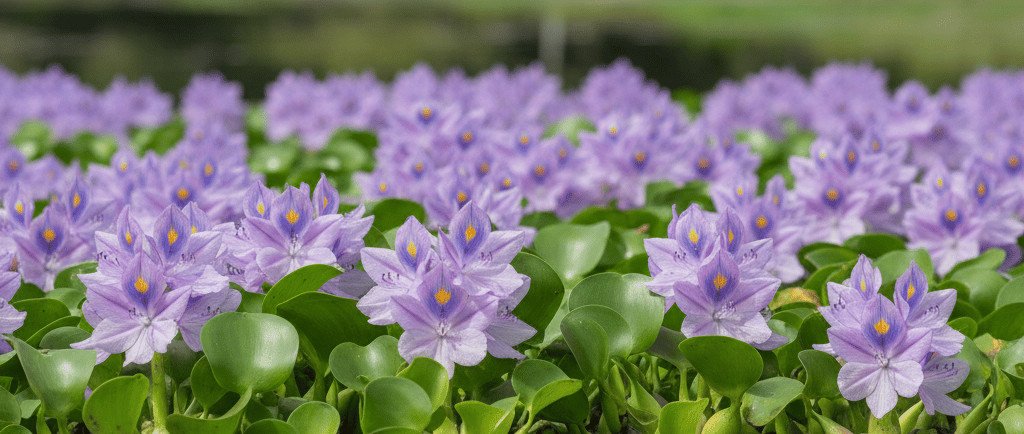
Water hyacinth (Eichhornia crassipes) is a floating aquatic plant native to South America. It's got thick, glossy green leaves that sit on top of bulbous stems filled with air pockets, which help the plant float. The real showstopper is its lavender-purple flowers with a distinctive yellow spot on the upper petal. When they bloom, they're honestly stunning.
FLOWERS
11/9/20253 min read
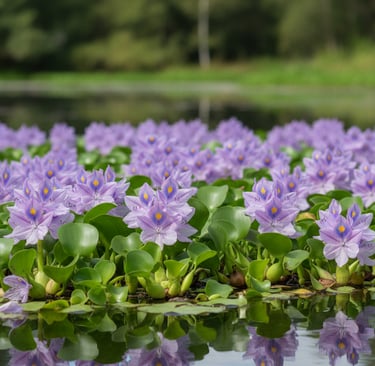
If you've ever spotted those gorgeous purple flowers floating on a pond and thought "wow, that's pretty," you might've been looking at water hyacinth. This aquatic plant has quite the reputation—some people love it for its beauty, while others consider it one of the world's most invasive species. So what's the real story?
What Exactly Is Water Hyacinth?
Water hyacinth (Eichhornia crassipes) is a floating aquatic plant native to South America. It's got thick, glossy green leaves that sit on top of bulbous stems filled with air pockets, which help the plant float. The real showstopper is its lavender-purple flowers with a distinctive yellow spot on the upper petal. When they bloom, they're honestly stunning.
The plant spreads like wildfire under the right conditions. We're talking doubling its population in just two weeks during peak growing season. That's because each plant can produce thousands of seeds, and it also reproduces vegetatively through runners called stolons.
Why Do Some People Grow It?
Despite its invasive reputation, water hyacinth does have some legitimate uses. In controlled settings, it's actually quite useful:
Natural Water Filtration: The plant absorbs excess nutrients, heavy metals, and other pollutants from water. Some wastewater treatment facilities actually use it for this purpose.
Ornamental Appeal: Those purple blooms are legitimately beautiful. If you've got a small backyard pond and live somewhere with cold winters (which naturally control the population), it can add a tropical vibe to your water garden.
Compost Material: The plant is rich in nitrogen and breaks down relatively quickly, making it decent compost material if you can harvest it regularly.
The Dark Side: Why It's Called an Invasive Species
Here's where things get tricky. Water hyacinth might be pretty, but it's caused serious ecological and economic problems worldwide. In warmer climates, it grows so aggressively that it:
Blocks sunlight from reaching native aquatic plants underneath
Depletes oxygen levels in the water, harming fish populations
Clogs waterways, making boat navigation impossible
Provides breeding grounds for mosquitoes
Costs millions of dollars annually in removal efforts
In places like Lake Victoria in Africa, the plant has devastated local fishing industries. Florida has spent decades trying to control its spread. It's banned in many states and countries for good reason.
Should You Grow Water Hyacinth?
This really depends on where you live. Before even considering it, check your local regulations—it's illegal to possess or transport in many areas.
If it's legal where you are, consider these factors:
Climate matters: In zones where winter temperatures regularly drop below freezing, water hyacinth dies back completely, which prevents it from becoming invasive. That's a much safer scenario than in subtropical or tropical regions.
Containment is crucial: If you do grow it, never let it escape into natural waterways. Keep it strictly confined to your own closed-system pond, and dispose of excess plants properly (never dump them in nature).
Regular maintenance: You'll need to thin it out frequently. Even in a small pond, it can quickly cover the entire surface.
Alternatives to Consider
If you love the look of water hyacinth but want something less problematic, try these native or less invasive options:
Water lilies: Classic beauty with less aggressive growth
Pickerelweed: Native to North America with similar purple blooms
Water lettuce: Still can be invasive but generally less aggressive (check local regulations)
Floating heart: Small yellow flowers and attractive leaves
The Bottom Line
Water hyacinth is one of those plants where beauty and danger walk hand in hand. It's gorgeous, useful in the right context, but potentially destructive in the wrong environment. If you're thinking about adding it to your pond, do your homework first. Check local laws, understand the commitment required to keep it controlled, and honestly assess whether the risk is worth it.
For most people, especially in warmer climates, the answer is probably no. There are plenty of beautiful water plants that won't threaten your local ecosystem or get you in trouble with environmental authorities.
Ready to Create a Thriving Water Garden?
Whether you're just starting your first pond or looking to expand your aquatic plant collection, making informed choices is key to success. At Home Plant Wellness, we've got tons of guides on growing healthy, beautiful plants—both indoors and in your water features—without causing harm to the environment.
Visit us at homeplantwellness.com for expert tips on plant care, troubleshooting advice, and ideas for creating your own backyard oasis. Let's grow something amazing together!
Stay updated with our plant tips.
Contact
© 2025. All rights reserved.