The Camellia Tree: Your Complete Guide to Growing These Stunning Bloomers
FLOWERS
11/29/20254 min read
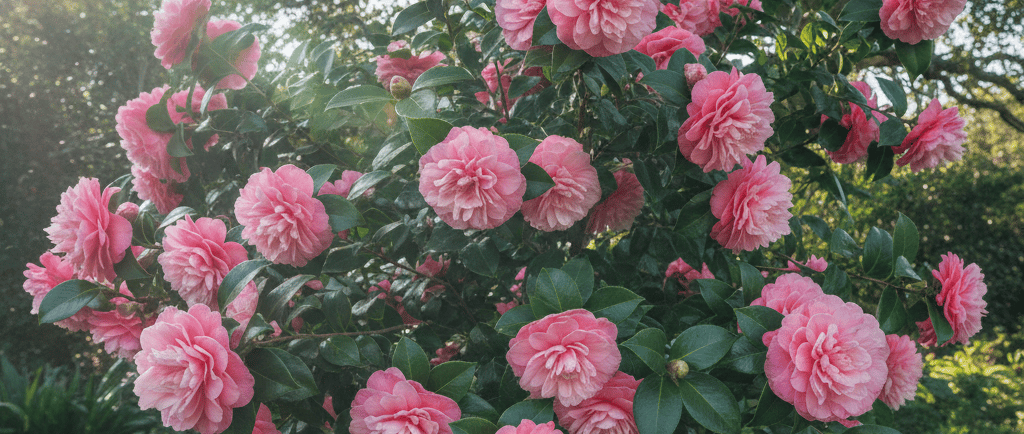
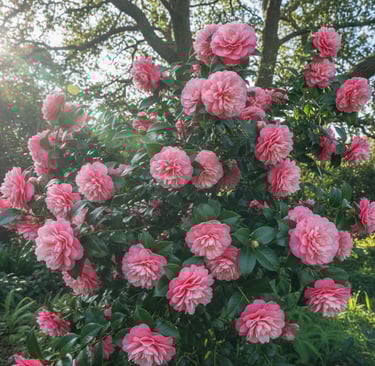
If you've ever walked past a camellia tree in full bloom and stopped dead in your tracks, you're not alone. These gorgeous flowering trees have a way of commanding attention with their glossy leaves and show-stopping flowers that look almost too perfect to be real.
I've been growing camellias for years now, and I can honestly say they're one of the most rewarding plants you can add to your garden. Yes, they have a bit of a reputation for being fussy, but once you understand what they need, they're actually pretty straightforward to care for.
What Makes Camellia Trees Special?
Camellia trees are evergreen beauties that bloom when most other plants are taking a break. Depending on the variety, you'll get flowers anywhere from fall through early spring—basically when your garden needs color the most. The blooms come in white, pink, red, and even variegated combinations, ranging from simple single flowers to elaborate doubles that look like roses.
The trees themselves typically grow between 6 to 12 feet tall, though some varieties can reach up to 20 feet if left unpruned. Their dark, glossy foliage provides year-round interest, making them valuable even when they're not flowering.
Finding the Perfect Spot
Here's where a lot of people go wrong with camellias: they stick them in full sun and wonder why they struggle. In reality, these plants prefer dappled shade or morning sun with afternoon protection. Think about where they grow naturally—under the canopy of taller trees in Asian forests.
I planted my first camellia in a spot that gets morning light and is shaded by a large oak tree in the afternoon. It's thrived there for five years and puts on an absolutely spectacular show every winter.
The soil situation is equally important. Camellias are acid-loving plants that need well-draining, slightly acidic soil with a pH between 5.5 and 6.5. If you're in an area with alkaline soil, you'll want to amend it heavily with peat moss, compost, and sulfur before planting.
Planting Your Camellia Tree
The best time to plant camellias is in fall or early spring when temperatures are mild. Here's my tried-and-true method:
Dig a hole that's twice as wide as the root ball but no deeper. You actually want to plant camellias slightly high—the top of the root ball should sit about an inch above the surrounding soil level. This prevents water from pooling around the crown, which can lead to root rot.
Mix the soil you removed with plenty of organic matter. I use a combination of compost and pine bark fines, which helps maintain that acidic pH camellias love while improving drainage.
After planting, water thoroughly and add a 2 to 3-inch layer of mulch around the base, keeping it a few inches away from the trunk itself.
Watering and Feeding
Camellias like consistent moisture but hate wet feet. During their first year, water deeply once or twice a week, depending on rainfall. Established trees are more drought-tolerant but still appreciate regular watering during dry spells, especially when they're forming buds.
I've found that camellias respond really well to acid-loving plant fertilizers. Feed them in early spring after flowering and again in mid-summer. Don't fertilize after August, as this can encourage tender new growth that might get damaged by winter cold.
Dealing with Common Issues
The most common complaint I hear about camellias is bud drop—when those promising flower buds fall off before opening. This usually happens because of inconsistent watering, especially during fall when buds are forming. Sudden temperature swings can also cause it.
Yellow leaves often signal an iron deficiency, which happens when the soil pH gets too high. An application of iron chelate usually fixes this right up.
Petal blight is another issue in humid climates. The flowers develop brown spots and quickly deteriorate. The best prevention is good air circulation and cleaning up fallen flowers promptly.
Pruning Your Camellia
Camellias don't need much pruning, which is great news if you're not into heavy maintenance. I prune mine right after flowering finishes, removing any dead or crossing branches and shaping as needed. The key is to do it before they start setting next year's buds in late spring.
If your camellia is getting leggy, you can cut it back harder, but do this gradually over a couple of years rather than all at once.
Choosing the Right Variety
With hundreds of camellia varieties available, picking one can feel overwhelming. For beginners, I always recommend Camellia japonica varieties—they're the most cold-hardy and widely available. 'April Dawn' and 'Debutante' are both reliable performers.
If you're in a warmer climate, Camellia sasanqua varieties bloom earlier (fall rather than winter) and tolerate more sun. They also have a lovely fragrance that japonicas lack.
Why Your Garden Needs a Camellia Tree
There's something special about having flowers in the garden during winter months when everything else looks dormant. My camellia has become a focal point in my landscape, and I've noticed it attracts early-season pollinators on warmer winter days.
Beyond their beauty, camellias are surprisingly low-maintenance once established. They're deer-resistant, rarely bothered by serious pests, and can live for decades with minimal care.
Ready to Grow Your Own Indoor Plant Paradise?
If you're excited about adding beautiful, thriving plants to your space—whether that's a stunning camellia tree in your garden or creating an entire collection of healthy houseplants—you'll love what we share at Home Plant Wellness. We're all about practical, proven tips for growing gorgeous plants without the guesswork. From soil secrets to troubleshooting common problems, we've got everything you need to develop your green thumb. Stop by and discover how rewarding plant care can be!
Stay updated with our plant tips.
Contact
© 2025. All rights reserved.