Spring Crocuses: A Beginner's Guide to Growing These Cheerful Blooms
FLOWERS
11/16/20253 min read
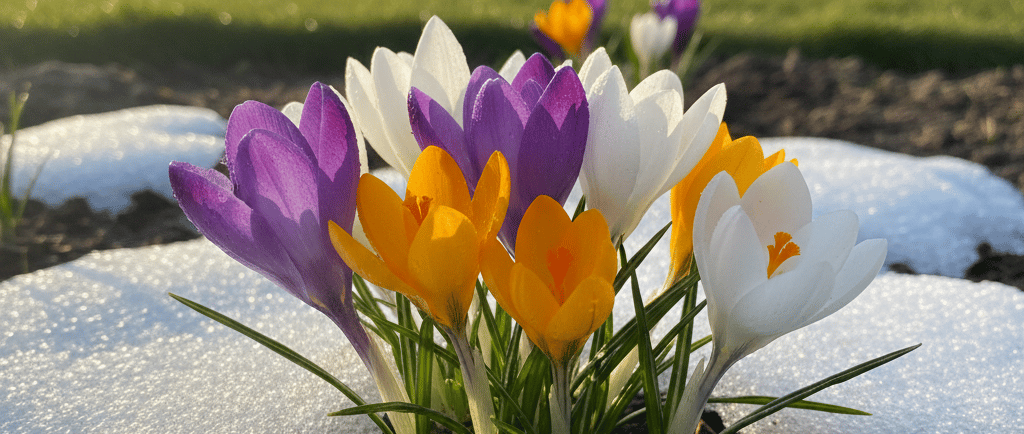

There's something magical about spotting the first crocuses pushing through the soil after a long winter. These little flowers are basically nature's way of telling us that warmer days are coming, and honestly, we could all use that kind of optimism in our gardens.
I've been growing spring crocuses for years now, and they've become one of my favorite low-maintenance additions to any outdoor space. Whether you're working with a sprawling garden or just a few containers on your balcony, these cheerful blooms are surprisingly easy to care for.
Why Spring Crocuses Deserve a Spot in Your Garden
Spring crocuses are early bloomers, often popping up when there's still snow on the ground. They come in gorgeous shades of purple, yellow, white, and even striped varieties that add instant color when everything else is still pretty drab. The best part? They practically take care of themselves once you get them established.
These bulbs are also incredibly affordable, which means you can plant them in bulk without breaking the bank. I usually scatter them throughout my garden beds and lawn areas for a natural, cottage-garden look that feels effortless.
Planting Your Crocus Bulbs
The trick with spring crocuses is getting them in the ground at the right time. You'll want to plant the bulbs in fall, typically between September and November, depending on where you live. This gives them time to establish roots before winter sets in.
Pick a spot that gets plenty of sunlight. Crocuses can tolerate some shade, but they'll bloom more reliably with at least 4-6 hours of direct sun each day. The soil should drain well because waterlogged bulbs tend to rot rather than flourish.
When you're ready to plant, dig holes about 3-4 inches deep and space the bulbs roughly 3 inches apart. If you're going for that natural, scattered look, just toss a handful of bulbs and plant them where they land. It creates a much more organic feel than perfectly spaced rows.
Caring for Your Spring Crocuses
Here's the thing about crocuses that makes them so appealing: they don't need much from you. Water them after planting if the soil is dry, but after that, natural rainfall usually does the job through winter and early spring.
Once they bloom in late winter or early spring, let the foliage die back naturally. I know those browning leaves aren't the prettiest sight, but they're actually feeding the bulb for next year's show. Just resist the urge to cut them back too early.
If you want your crocuses to spread and naturalize over time, leave them undisturbed. They'll multiply on their own, creating bigger and more impressive displays each year. It's like getting free flowers without doing any extra work.
Common Challenges and How to Handle Them
The main issue most people run into with crocuses is hungry critters. Squirrels love digging up freshly planted bulbs, and chipmunks think they're a tasty snack. I've had good luck sprinkling cayenne pepper around newly planted areas or covering them with chicken wire until the ground freezes.
If your crocuses aren't blooming, they might not be getting enough sun or the bulbs could be planted too deep. Moving them to a sunnier spot or replanting at the correct depth usually solves the problem.
Creating a Longer Bloom Season
One trick I've learned is to plant different crocus varieties that bloom at slightly different times. Early bloomers like Crocus tommasinianus show up first, followed by the larger Dutch crocuses a few weeks later. This extends your color show from late winter well into early spring.
You can also mix crocuses with other spring bulbs like snowdrops and early daffodils for a layered effect that keeps your garden interesting as the season progresses.
Ready to Bring More Life to Your Space?
Growing spring crocuses is just one way to connect with nature and bring fresh energy into your surroundings. If you're interested in exploring more ways to cultivate wellness through plants—whether indoors or out—head over to Home Plant Wellness for tips, guides, and inspiration that'll help you create your own thriving green sanctuary.
Stay updated with our plant tips.
Contact
© 2025. All rights reserved.