Marigold Companion Planting: The Secret Weapon Every Gardener Needs
FLOWERS
12/14/20254 min read
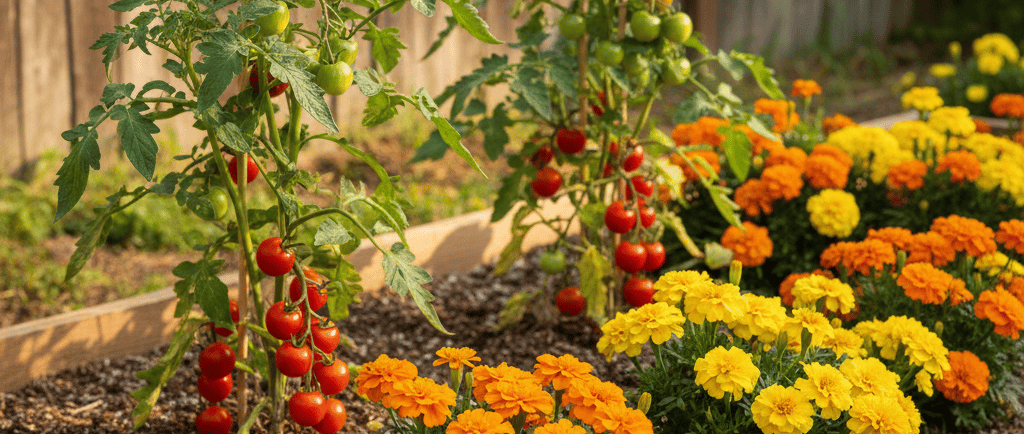
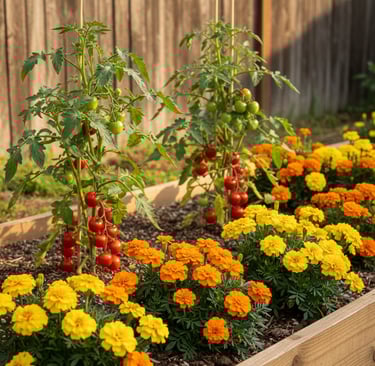
If you've ever wondered why experienced gardeners always seem to have marigolds scattered throughout their vegetable patches, you're about to discover one of nature's best-kept secrets. These cheerful orange and yellow flowers aren't just pretty faces – they're hardworking garden helpers that can transform your growing space.
Why Marigolds Make Perfect Garden Companions
Marigolds have earned their reputation as garden superheroes for good reason. Their roots release a chemical compound called alpha-terthienyl, which sounds fancy but basically means they're natural pest fighters. Aphids, whiteflies, and even some nematodes (those microscopic worms that damage roots) tend to steer clear of areas where marigolds grow.
I learned this the hard way during my first summer of serious vegetable gardening. My tomato plants were under constant attack from aphids, and I was getting frustrated with natural sprays that barely worked. An older neighbor suggested planting marigolds nearby, and honestly, I was skeptical. But within two weeks, the difference was remarkable.
Best Plants to Pair with Marigolds
Tomatoes and Marigolds: A Classic Match
This combination works beautifully because marigolds help repel tomato hornworms and whiteflies – two of the biggest tomato troublemakers. Plant marigolds around the base of your tomato cages or in rows between plants. The strong scent confuses pests and keeps them from finding your precious tomatoes.
Peppers Love Marigold Neighbors Too
Bell peppers, jalapeños, and other pepper varieties benefit from the same pest protection. Plus, the bright marigold blooms attract beneficial insects like ladybugs and lacewings that eat the bad bugs.
Cucumbers and Squash Get Protection
These sprawling plants can take up a lot of garden real estate, and marigolds planted at the edges help keep cucumber beetles and squash bugs at bay. Just tuck them in around the perimeter of your cucumber patch.
Beans and Marigolds Work Together
While beans fix nitrogen in the soil (which is great for other plants), marigolds handle pest patrol. Plant them in alternating rows or at the ends of bean rows for maximum benefit.
Cabbage Family Members
Broccoli, cauliflower, kale, and cabbage all appreciate having marigolds nearby. The flowers help deter cabbage worms and aphids that love to munch on these leafy greens.
Plants to Keep Away from Marigolds
Not everything plays nice with marigolds, though. Beans and marigolds are generally fine together, but some gardeners report that marigolds can slightly inhibit bean growth if planted too densely. Also, keep marigolds away from:
Cabbage in some cases – while many gardeners have success, others find marigolds can stunt cabbage growth if planted too close
Root vegetables planted very densely – give carrots, beets, and radishes some breathing room
The key is spacing. Don't crowd your vegetables with marigolds; think of the marigolds as border guards rather than bunkmates.
How to Plant Marigolds with Your Vegetables
Timing Matters
Plant marigolds after your last frost date, just like you would with most vegetables. They're warm-season flowers that won't tolerate cold soil.
Spacing Guidelines
Space marigolds about 8-12 inches apart when using them as companion plants. For pest control, you don't need a solid wall of flowers – strategic placement works better anyway.
Choose the Right Varieties
French marigolds (the smaller, bushier types) work great for companion planting because they don't overshadow vegetables. African marigolds are taller and better suited for borders or the back of garden beds.
Real Results from Real Gardens
Last season, I planted French marigolds throughout my raised beds – three plants around each tomato, a row along my pepper patch, and clusters near my squash. The difference compared to previous years was striking. My usual aphid invasion barely materialized, and I didn't spot a single tomato hornworm until late August (and even then, just one).
My neighbor tried the same approach with her cabbage and reported that cabbage worms were minimal compared to the year before. She still did weekly checks and hand-picked a few, but it wasn't the constant battle she'd dealt with previously.
Beyond Pest Control: Other Marigold Benefits
Marigolds don't just repel pests – they're excellent pollinator magnets. Bees and butterflies love visiting the blooms, which means better pollination for your vegetables. Better pollination equals more tomatoes, peppers, cucumbers, and squash.
They're also ridiculously easy to grow. Marigolds tolerate heat, don't need much fertilizer, and bloom continuously from summer until frost. Plus, they're affordable. A packet of seeds costs a few dollars and gives you dozens of plants.
Common Mistakes to Avoid
Planting Too Late
Get your marigolds in the ground at the same time as your vegetables, or even slightly earlier. They need time to establish before pests show up.
Overcrowding
More isn't always better. Too many marigolds can compete with vegetables for nutrients and water. Strategic placement beats saturation every time.
Neglecting Deadheading
Pinch off spent flowers regularly to encourage more blooms. More flowers mean longer-lasting pest protection throughout the season.
Wrong Expectations
Marigolds aren't miracle workers. They significantly reduce pest problems but won't eliminate them entirely. You'll still need to check your plants regularly and deal with the occasional pest.
Getting Started with Marigold Companion Planting
If you're new to this, start simple. Pick up a six-pack of French marigolds from your local garden center and plant them near your tomatoes. Watch what happens over the next few weeks. Notice the reduction in aphids and other pests. Once you see the results, you'll probably want to expand your marigold borders next season.
For those starting from seed, sow marigolds directly in the garden after frost danger passes, or start them indoors 4-6 weeks earlier. They germinate quickly and grow fast, so you don't need to be an expert gardener to succeed with them.
Your Garden Deserves This Simple Upgrade
Marigold companion planting isn't complicated, expensive, or time-consuming. It's one of those gardening practices that delivers real results without much effort. The flowers add color to your vegetable beds, attract beneficial insects, and keep pests at manageable levels – all while being practically foolproof to grow.
Whether you're growing a few pots on a balcony or managing a large backyard plot, adding marigolds to your companion planting strategy just makes sense. Give it a try this season and see the difference for yourself.
Ready to take your plant care knowledge even further? Head over to Home Plant Wellness for more practical gardening tips, plant care guides, and natural solutions that actually work. From indoor plants to outdoor gardens, we've got the straightforward advice you need to help your plants thrive.
Stay updated with our plant tips.
Contact
© 2025. All rights reserved.