Hydrangea Care: Keep Your Blooms Thriving All Season Long
There's something magical about hydrangeas. Those big, gorgeous blooms can transform any garden or porch into something special. But here's the thing—hydrangeas have a reputation for being a bit finicky. Don't worry, though. Once you understand what they need, caring for hydrangeas becomes second nature.
FLOWERS
11/8/20253 min read
There's something magical about hydrangeas. Those big, gorgeous blooms can transform any garden or porch into something special. But here's the thing—hydrangeas have a reputation for being a bit finicky. Don't worry, though. Once you understand what they need, caring for hydrangeas becomes second nature.
Finding the Perfect Spot
Hydrangeas are particular about where they live, but they're not impossible to please. Most varieties love morning sun with afternoon shade. Think of it like this: they want enough light to fuel those spectacular blooms, but they don't want to bake in the hot afternoon sun.
If you're growing hydrangeas in containers (which totally works, by the way), you have the advantage of moving them around until you find their happy place. Watch how the sun moves across your space throughout the day. That spot that gets gentle morning light but stays shaded after lunch? Perfect.
Water is Everything
Here's where hydrangeas get their reputation. The name actually comes from Greek words meaning "water vessel," and trust me, they live up to it. These plants are thirsty.
During the growing season, your hydrangeas need consistent moisture. I'm talking deep watering several times a week, especially during hot weather. The soil should stay moist but never waterlogged. Stick your finger into the soil about an inch down—if it feels dry, it's time to water.
Wilting leaves are your hydrangea's way of crying for help. The good news? They usually bounce back pretty quickly once they get a good drink. Just don't let them get to that point regularly, or you'll stress the plant.
Soil Matters More Than You Think
Hydrangeas aren't too picky about soil, but they definitely have preferences. They like rich, well-draining soil that holds moisture without getting soggy. Adding compost or organic matter helps create that perfect texture.
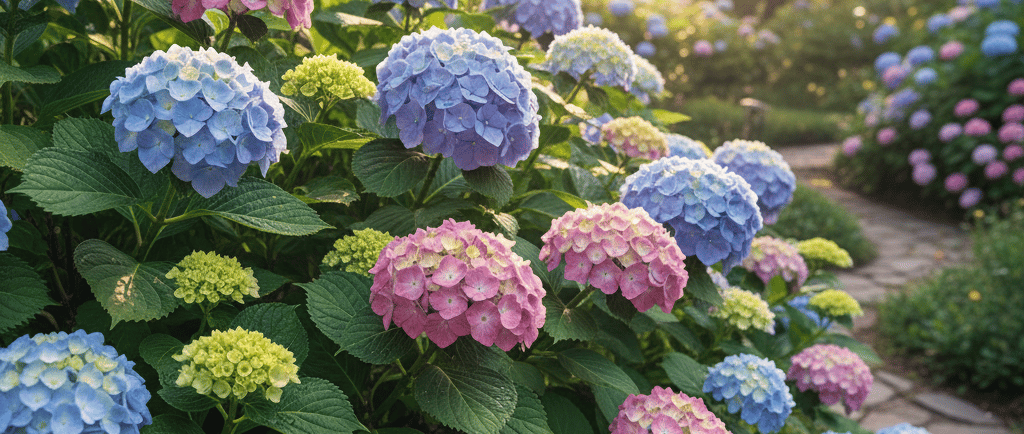
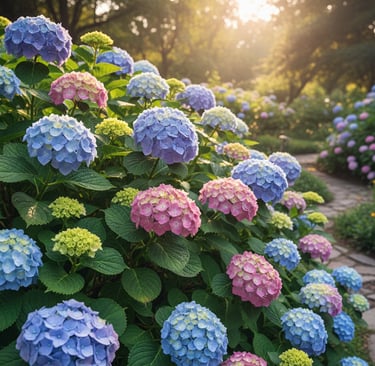
Here's something cool: with some hydrangea varieties, you can actually change the bloom color by adjusting soil pH. Acidic soil (pH below 6) tends to produce blue flowers, while alkaline soil (pH above 7) creates pink blooms. White hydrangeas stay white regardless, but it's fun to experiment with the others if you're into that.
Feeding Your Hydrangeas
Hydrangeas appreciate regular feeding during the growing season. A balanced, slow-release fertilizer in spring gets them off to a strong start. You can give them another boost in early summer, but avoid fertilizing late in the season—you don't want to encourage new growth that won't survive winter.
Some gardeners swear by specialized hydrangea fertilizers, while others stick with general-purpose options. Both work fine. The key is not overdoing it. Too much fertilizer can lead to lots of leaves but fewer blooms, which defeats the whole purpose.
Pruning Without the Panic
Pruning hydrangeas stresses people out, but it shouldn't. The trick is knowing what type you have, because different varieties bloom on different types of wood.
Bigleaf and oakleaf hydrangeas bloom on old wood (last year's growth), so you'll prune them right after flowering. Panicle and smooth hydrangeas bloom on new wood, so you can cut them back in late winter or early spring. When in doubt, a light trim to remove dead wood and shape the plant won't hurt any variety.
Winter Protection
In colder climates, hydrangeas need some extra love before winter hits. Add a thick layer of mulch around the base after the ground freezes. Some gardeners even wrap their hydrangeas in burlap for extra protection, especially for the more tender varieties.
Container hydrangeas need special attention. Either move them to a protected spot like an unheated garage, or bury the entire pot in the ground for insulation.
Troubleshooting Common Issues
Yellow leaves? Usually means overwatering or poor drainage. Brown leaf edges? That's typically underwatering or too much direct sun. No blooms? Could be improper pruning, late spring frost damage, or too much nitrogen fertilizer.
Hydrangeas are generally pretty resistant to pests and diseases, but keep an eye out for aphids and powdery mildew. Good air circulation and proper watering usually prevent most problems.
The Payoff
Yes, hydrangeas need attention. But when those enormous flower clusters appear—whether they're the classic mophead style, delicate lacecaps, or dramatic panicles—you'll forget all about the extra effort. There's a reason these plants have been garden favorites for generations.
With consistent care and a little patience, your hydrangeas will reward you with months of stunning blooms. And once you get into a routine, the care becomes automatic. You'll be that person in the neighborhood with the incredible hydrangeas, and everyone will want to know your secret.
Want to learn more about keeping all your plants healthy and thriving? Head over to Home Plant Wellness for expert tips, detailed care guides, and everything you need to create your dream garden or indoor plant collection.
Stay updated with our plant tips.
Contact
© 2025. All rights reserved.