Hyacinth Care: Growing Beautiful Blooms Indoors and Out
Hyacinths are spring-blooming bulbs native to the eastern Mediterranean. They come in vibrant shades of purple, pink, white, yellow, and blue. What makes them special is their dense flower spike—each bulb produces one thick stem covered in dozens of small, star-shaped blooms.
FLOWERS
11/9/20254 min read
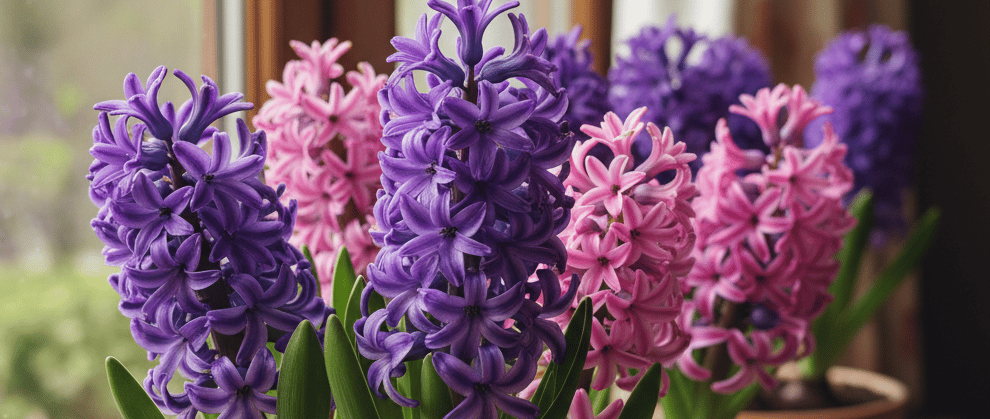
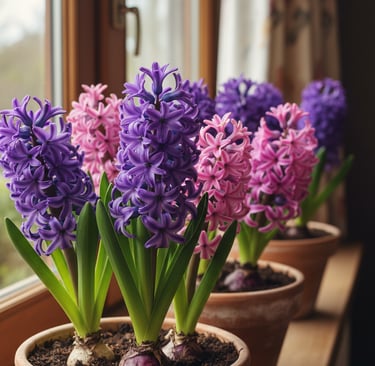
There's something magical about hyacinths. Maybe it's their intoxicating fragrance that fills an entire room, or those gorgeous spikes of flowers packed so densely they look almost unreal. Whatever draws you to these spring beauties, you'll be happy to know they're surprisingly easy to care for—whether you're growing them in your garden or forcing bulbs indoors for winter blooms.
Let me walk you through everything you need to know about hyacinth care so you can enjoy these stunning flowers year after year.
Understanding Your Hyacinth
Hyacinths are spring-blooming bulbs native to the eastern Mediterranean. They come in vibrant shades of purple, pink, white, yellow, and blue. What makes them special is their dense flower spike—each bulb produces one thick stem covered in dozens of small, star-shaped blooms.
Most people grow hyacinths one of two ways: planted outdoors in fall for spring blooms, or forced indoors in water or soil for winter flowers. Both methods are straightforward once you understand what these bulbs need.
Planting Hyacinth Bulbs Outdoors
If you're planting hyacinths in your garden, timing is everything. You'll want to get those bulbs in the ground about 6-8 weeks before your first hard frost—usually sometime in September through November, depending on where you live.
Pick a spot that gets full sun to partial shade. Hyacinths aren't too picky, but they definitely prefer well-draining soil. If your soil is heavy clay, work in some compost or sand to improve drainage. Nobody likes wet feet, especially not hyacinth bulbs.
Plant each bulb about 6 inches deep and 3-4 inches apart, with the pointy end facing up. After planting, give them a good watering to help them settle in. Then comes the easy part—just let winter do its thing. Hyacinths need that cold period (called vernalization) to bloom properly in spring.
Indoor Hyacinth Care: Forcing Bulbs
Forcing hyacinths indoors is one of my favorite winter projects. It brings spring right into your home when everything outside is dreary and cold.
You can force hyainth bulbs in water using special forcing vases, or plant them in containers with potting soil. Either way, the bulbs need to be "pre-chilled" first. Some bulbs you buy are already pre-chilled (the package will say so). If not, you'll need to chill them yourself in your refrigerator for 12-14 weeks before planting.
For water forcing, place the bulb in a forcing vase so the bottom just barely touches the water. Keep it in a cool, dark place until roots develop and shoots appear—usually 2-3 weeks. Then move it to a bright spot and watch it grow.
For soil forcing, plant bulbs in containers with drainage holes, leaving the top third of each bulb exposed. Water lightly and keep in a cool, dark location until you see growth. Once shoots appear, gradually move them into brighter light.
Watering Your Hyacinths
Here's where people often go wrong—overwatering. Hyacinths don't need as much water as you might think.
For outdoor hyacinths, water them right after planting, then let nature take over. In spring when they're actively growing, water only if you're having a particularly dry spell. The soil should be slightly moist but never soggy.
Indoor hyacinths need a bit more attention. Keep the soil barely moist—think damp sponge, not soaking wet. For water-forced bulbs, maintain the water level so it just touches the bottom of the bulb, but never submerges it. Change the water every week to keep it fresh.
Light Requirements
Outdoor hyacinths are flexible about light. They'll bloom beautifully in full sun, but they also tolerate partial shade. In fact, in warmer climates, a little afternoon shade helps the flowers last longer.
Indoor hyacinths need bright, indirect light once they start growing. Too much direct sun can cause the flowers to fade quickly, while too little light makes the stems stretch and flop over. A bright windowsill that doesn't get harsh afternoon sun is perfect.
Temperature Preferences
Hyacinths are cool-weather lovers. They actually need cold temperatures to trigger blooming—that's why you plant them in fall or chill them in the fridge.
Outdoor hyacinths are hardy in zones 4-8. They can handle winter cold just fine once established.
For indoor hyacinths, keep them cool while they're blooming—around 60-65°F is ideal. Warmer temperatures make the flowers fade faster. I've noticed my indoor hyacinths last almost twice as long when I keep them in a cool room away from heating vents.
After the Blooms Fade
Once your hyacinths finish flowering, don't just toss them out. With a little care, outdoor bulbs will come back year after year.
Cut off the spent flower spike, but leave the foliage alone. Those leaves are busy making food to store in the bulb for next year's blooms. Let them yellow and die back naturally—this usually takes 4-6 weeks. Once the leaves are completely brown, you can remove them.
Indoor forced bulbs are trickier. Honestly, most people treat them as annuals because forcing takes so much energy from the bulb. But if you want to try saving them, plant them outside in spring after the last frost. They might bloom again in a year or two, though the flowers will be smaller.
Common Problems and Quick Fixes
Floppy stems: This usually means the plant needs more light or the temperature is too warm. Move it to a brighter, cooler spot and consider staking the stem for support.
No blooms: If outdoor hyacinths don't bloom, they might not have gotten enough cold weather, or squirrels may have eaten them. (Yes, squirrels love hyacinth bulbs. Cover them with chicken wire if this is a problem in your area.)
Rotting bulbs: This is almost always from too much water or poor drainage. Make sure containers have drainage holes and soil dries out slightly between waterings.
Short bloom time: Hyacinth flowers last longest in cool conditions. Keep indoor plants away from heat sources and out of direct sun.
Why Your Hyacinths Are Worth the Effort
I'll be honest—hyacinths don't require much effort at all. But that incredible fragrance and those stunning blooms? They make even the smallest effort feel worthwhile. Whether you're naturalizing them in your garden for a spring surprise or forcing a few bulbs on your kitchen windowsill in January, hyacinths deliver big impact with minimal fuss.
Ready to expand your plant care knowledge and create a thriving indoor garden? Head over to homeplantwellness.com for more expert guides, tips, and inspiration for keeping all your plants healthy and happy. From beginner-friendly advice to deep dives into specific plant care, we've got everything you need to grow your green thumb!
Stay updated with our plant tips.
Contact
© 2025. All rights reserved.