Hellebore Care: A Complete Guide to Growing Christmas and Lenten Roses
FLOWERS
12/14/20254 min read
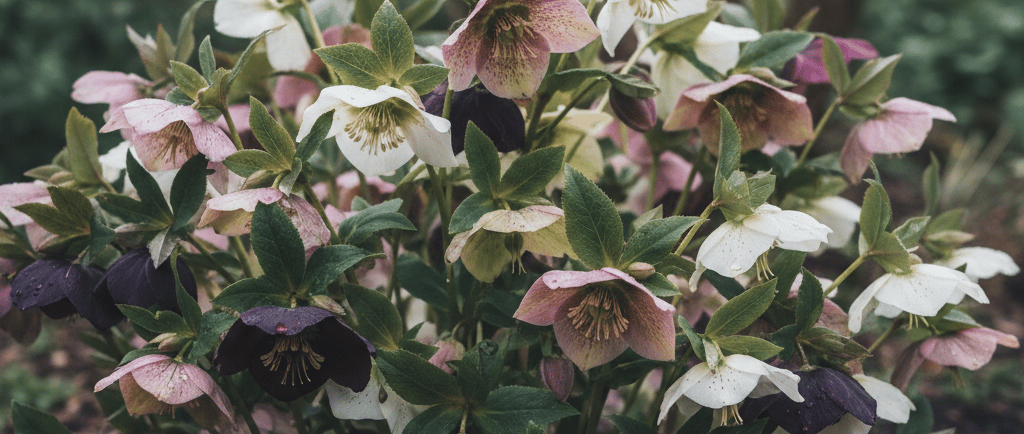
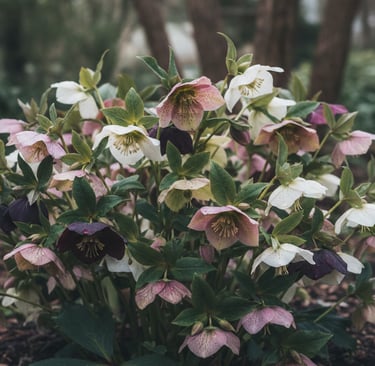
If you've ever wandered through a winter garden and spotted those gorgeous cup-shaped flowers blooming when everything else looks dead, chances are you were admiring hellebores. These tough-as-nails perennials have won over gardeners everywhere, and honestly, it's not hard to see why.
I remember the first time I planted hellebores in my own garden. I was skeptical that anything could look that beautiful in late winter, but these plants proved me completely wrong. Now they're one of my absolute favorites, and I'm excited to share everything I've learned about keeping them happy.
What Makes Hellebores So Special?
Hellebores go by a few different names depending on the variety. You've probably heard them called Christmas roses (Helleborus niger) or Lenten roses (Helleborus orientalis). The Christmas rose blooms around, well, Christmas, while Lenten roses show up closer to Easter. Pretty straightforward naming, right?
What really sets these plants apart is their timing. When your garden looks like a barren wasteland in late winter or early spring, hellebores are out there doing their thing with flowers in shades of white, pink, purple, green, and even near-black. They're like the rebels of the plant world.
Getting Started: Where to Plant Your Hellebores
Here's the thing about hellebores – they're not fussy, but they do have preferences. Think about where they grow naturally (woodland edges in Europe and Asia), and you'll get the picture.
Light Requirements
Partial shade is your sweet spot. Morning sun with afternoon shade works beautifully. I've got mine planted under a deciduous tree, and they absolutely thrive there. They get bright light in winter when the tree is bare, then dappled shade once the leaves come out in summer. Perfect.
Can they handle full shade? Sure, but you might see fewer flowers. Full sun? Only if you live somewhere cool and keep the soil moist. In most places, full sun will stress them out.
Soil Needs
Hellebores want soil that drains well but doesn't dry out completely. They're also fans of neutral to slightly alkaline soil (pH 7.0-8.0), though they'll tolerate slightly acidic conditions too.
Before planting, I always work in some compost and a handful of lime if my soil tends toward the acidic side. These plants will be around for years – they live 10+ years easily – so it's worth prepping the soil right from the start.
Planting Your Hellebores
The best time to get hellebores in the ground is fall or early spring. Fall is actually ideal because it gives the roots time to establish before winter.
Here's my simple planting process:
Dig a hole about twice as wide as the root ball but the same depth. You don't want to plant them too deep. Mix some compost into the soil you removed. Pop the plant in, backfill with your improved soil, and water thoroughly. Add a layer of mulch around (but not touching) the base.
Space them about 15-18 inches apart. They'll fill in over time and create a lovely ground cover effect.
Daily Care (Which is Minimal, Thankfully)
Watering
Once established, hellebores are surprisingly drought-tolerant. During their first year, keep the soil consistently moist but not waterlogged. After that, they mainly need water during dry spells.
I check mine by sticking my finger into the soil. If the top inch or two is dry, it's watering time. During active growth and blooming, they appreciate regular moisture.
Fertilizing
These aren't heavy feeders. I give mine a light application of balanced, slow-release fertilizer in early spring and again in fall. Compost works great too. Over-fertilizing can actually lead to more foliage and fewer flowers, which is the opposite of what we want.
Pruning and Maintenance
Here's where hellebore care gets interesting. Old foliage can look pretty ratty by late winter, and it can also harbor diseases. I cut back the old leaves in late winter, right before the flower buds emerge. This tidies up the plant and lets you actually see those beautiful blooms.
After flowering, you can deadhead spent blooms if you want, but I usually leave them. The seed heads have their own charm, and if you're lucky, you might get some self-seeding (though seedlings take 3-4 years to bloom).
Troubleshooting Common Issues
Black Spot or Leaf Spot
Those dark blotches on leaves? That's usually a fungal issue. Remove affected leaves and make sure there's good air circulation around your plants. Avoid overhead watering.
Aphids
Sometimes aphids show up on new growth. A strong spray with the hose usually takes care of them. For persistent problems, insecticidal soap works well.
Slow to Bloom
If your hellebore isn't flowering, it might be too young (they need a year or two to settle in), getting too much shade, or dealing with poor soil. Patience and proper conditions are key.
One Important Warning
All parts of hellebores are toxic if ingested. They can cause skin irritation in some people too. I always wear gloves when handling them, and I make sure kids and pets know these aren't snack plants.
Why I Love These Plants
Beyond the obvious beauty, hellebores are just easy. They don't need deadheading to keep blooming. Deer and rabbits leave them alone. They rarely need dividing. Once they're established, they basically take care of themselves.
They're also evergreen in milder climates, providing year-round interest. And did I mention they can live for decades? I've seen hellebores that were planted 20+ years ago still going strong.
Creating a Hellebore Haven
If you really want to showcase these beauties, plant them in groups of three or five. Mix different colors for maximum impact. They pair wonderfully with other early bloomers like snowdrops, crocuses, and early daffodils.
I also love using them as a ground cover under shrubs and trees. They fill in that awkward space where grass struggles, and they create this lush, layered look that makes your garden feel mature and thoughtfully designed.
The Bottom Line on Hellebore Care
Hellebores reward you with stunning flowers at a time when you desperately need color in your garden. They're tough, long-lived, and low-maintenance. Give them partial shade, decent soil, and occasional water, and they'll be happy campers.
Whether you're an experienced gardener or just starting out, hellebores deserve a spot in your landscape. They're proof that sometimes the best plants are the ones that don't need you fussing over them constantly.
Ready to transform your home and garden with more easy-care plants? Visit Home Plant Wellness for expert guides, growing tips, and plant care advice that actually works. From beginner-friendly houseplants to outdoor garden favorites, we've got everything you need to create your own green sanctuary.
Stay updated with our plant tips.
Contact
© 2025. All rights reserved.