Growing Evening Primrose: A Low-Maintenance Garden Beauty
FLOWERS
11/16/20253 min read
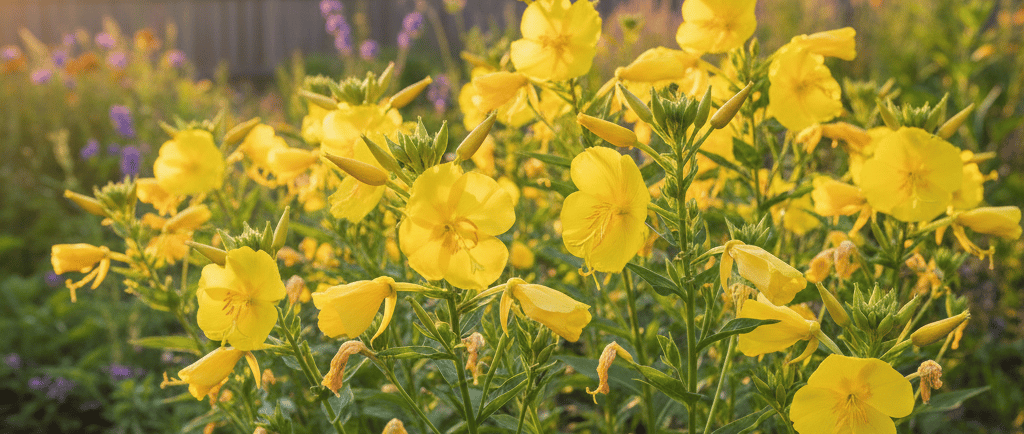
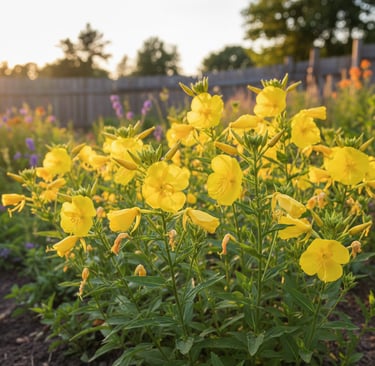
If you're looking for a plant that practically grows itself while putting on a stunning evening show, evening primrose deserves a spot in your garden. I've watched these cheerful yellow blooms transform my garden beds from ordinary to enchanting, and the best part? They're one of the easiest plants you'll ever grow.
Why Gardeners Love Evening Primrose
Evening primrose (Oenothera) is the kind of plant that makes you look like a gardening genius without much effort. These North American natives are incredibly forgiving, drought-tolerant once established, and they reseed themselves year after year. Plus, there's something special about watching the flowers unfold at dusk, sometimes in just minutes, releasing their sweet fragrance into the evening air.
The plants grow anywhere from one to five feet tall depending on the variety, with bright yellow or occasionally pink flowers that last through summer and into fall. Pollinators absolutely adore them, especially night-flying moths and bees that catch the late afternoon blooms.
Getting Started with Seeds or Transplants
You can start evening primrose from seeds or nursery transplants, though seeds are incredibly easy and much cheaper. The seeds need light to germinate, so don't bury them deep. Just scatter them on the soil surface in early spring or fall, press them down gently, and keep the area moist until you see sprouts.
If you're starting indoors, begin about six to eight weeks before your last frost date. The seedlings transplant well as long as you're gentle with their roots. But honestly, direct sowing works just as well and saves you the trouble.
The Perfect Spot
Evening primrose isn't picky, but it does have preferences. Full sun is ideal, though it'll tolerate partial shade. The more sun it gets, the more flowers you'll enjoy. As for soil, these plants actually prefer lean, well-drained conditions. Rich, heavily fertilized soil makes them produce more leaves than flowers, so skip the compost amendments for this one.
I've grown evening primrose in sandy soil, clay soil, and everything in between. The key is decent drainage. Soggy roots are one of the few things that'll bother this tough plant.
Care and Maintenance
Here's where evening primrose really shines as a low-maintenance plant. Once established, it needs very little water except during extended droughts. In fact, overwatering causes more problems than underwatering. I water mine deeply once a week during the hottest part of summer, and that's plenty.
Fertilizing isn't necessary. These wildflowers evolved in poor soils and actually bloom better when they're not overfed. The same goes for pruning. You can deadhead spent flowers if you want to encourage more blooms, but it's not required. Some gardeners let the seed heads develop to encourage self-sowing for next year's plants.
Watch Out for Spreading
Evening primrose has one quirk you should know about: it's enthusiastic about reseeding. If you don't want volunteers popping up everywhere, cut off the seed pods before they mature and scatter. The plants also spread through underground rhizomes, though not aggressively enough to be truly invasive in most gardens.
I actually love this quality because it means I always have plants to share with neighbors or fill in bare spots. But if you prefer more control, grow evening primrose in containers or cut back the seed heads regularly.
Companion Planting Ideas
Evening primrose looks beautiful paired with purple coneflowers, black-eyed Susans, and ornamental grasses. The bright yellow flowers pop against silvery artemisia or lavender. Since the blooms open in the evening, plant them near a patio or seating area where you can enjoy the show as you wind down your day.
Harvesting for Wellness
If you're interested in the medicinal properties of evening primrose oil, the seeds are what you're after. Let some seed pods fully mature and dry on the plant, then collect them before they split open. The seeds are tiny but packed with the beneficial oils that have made this plant famous in herbal medicine.
A Garden Staple Worth Growing
Growing evening primrose is one of those gardening wins where you get maximum beauty for minimal effort. Whether you're a beginner who needs confidence-building plants or an experienced gardener who appreciates low-maintenance performers, evening primrose delivers season after season. Those sunny yellow blooms opening at twilight never get old, and knowing you're supporting pollinators while growing a plant with wellness benefits makes it even better.
Want to discover more healing plants you can grow at home? Head over to Home Plant Wellness for comprehensive guides on cultivating medicinal herbs, creating an indoor healing garden, and harnessing the natural power of plants for health and happiness. Let's grow wellness together!
Stay updated with our plant tips.
Contact
© 2025. All rights reserved.