Daffodil Care: Simple Tips for Gorgeous Spring Blooms
Blog post description.
FLOWERS
11/8/20253 min read
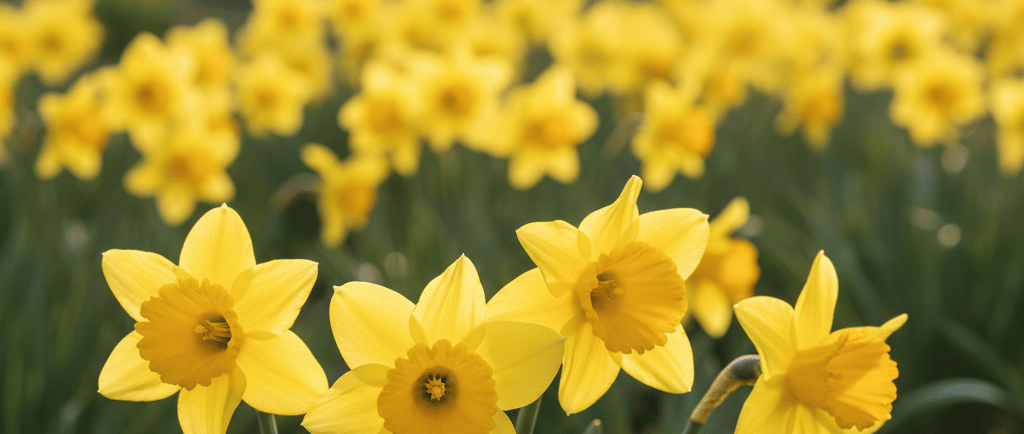
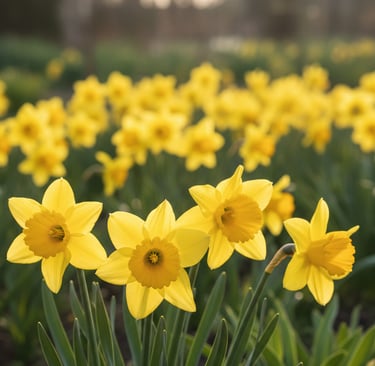
There's something magical about daffodils popping up in early spring. Those cheerful yellow blooms are like little bursts of sunshine after a long winter. I've been growing daffodils for years, and honestly, they're one of the easiest flowers you can care for. Let me walk you through everything you need to know.
Planting Your Daffodils Right
The best time to plant daffodil bulbs is in fall, about 2-4 weeks before the ground freezes. I usually aim for September or October in my area. You want to give them enough time to establish roots before winter hits.
Pick a spot with good drainage. Daffodils really don't like sitting in waterlogged soil. They'll rot faster than you can say "spring flowers." A location that gets full sun to partial shade works perfectly. I've had success with both, though the sunny spots tend to produce more blooms.
When you're ready to plant, dig holes about 6 inches deep. A good rule of thumb is to plant bulbs three times as deep as they are tall. Space them about 3-5 inches apart. I like to plant them in clusters rather than perfect rows because it looks more natural when they bloom.
Water and Soil Needs
Here's the thing about daffodils - they're not fussy. During their growing season in spring, they appreciate regular water, especially if you're not getting much rain. But once the flowers fade and the foliage starts dying back, you can basically leave them alone.
The soil should drain well. If you've got heavy clay, mix in some compost or sand to improve drainage. Daffodils prefer slightly acidic to neutral soil, but they're pretty adaptable. I've seen them thrive in less-than-perfect conditions.
After the Flowers Fade
This is where a lot of people make mistakes. When your daffodils finish blooming, resist the urge to cut back that foliage right away. I know it looks messy, but those leaves are busy gathering energy for next year's show.
Let the leaves yellow and die back naturally. This usually takes about 6 weeks. You can gently braid them or fold them over if they're really bothering you, but don't cut them off or tie them in tight knots. The bulbs need that photosynthesis time to store up nutrients.
Deadhead the spent flowers, though. Snip off those faded blooms so the plant doesn't waste energy making seeds. Just leave the stem and foliage intact.
Fertilizing for Better Blooms
Daffodils aren't heavy feeders, but a little fertilizer goes a long way. I add a balanced, slow-release fertilizer or bulb food in early spring when the shoots first emerge. You can also feed them again right after flowering.
Bone meal is another great option. Work it into the soil when you plant, and your bulbs will thank you. Just don't overdo it with nitrogen-heavy fertilizers because you'll end up with lots of leaves and fewer flowers.
Dealing with Pests and Problems
One of the best things about daffodils? Deer and rabbits won't touch them. The bulbs and plants are actually toxic to most animals, which means you don't have to worry about critters munching your blooms.
The main issue I've seen is bulb rot from too much moisture. If your daffodils aren't coming back or seem to be declining, check your drainage. Sometimes narcissus bulb fly can be a problem, but it's pretty rare.
When to Divide and Replant
Daffodils can stay in the same spot for years and will actually naturalize, spreading slowly over time. But if your clumps get too crowded and you notice fewer blooms, it's time to divide them.
Wait until the foliage has completely died back in late spring or early summer. Dig up the clumps, separate the bulbs, and replant them right away or store them in a cool, dry place until fall. I prefer replanting immediately because it's one less thing to remember later.
The Bottom Line
Daffodil care really is straightforward. Plant them in fall, give them decent soil and drainage, water during the growing season, and let the foliage die back naturally. That's pretty much it. They'll reward you with cheerful blooms year after year with minimal effort on your part.
If you're looking to expand your indoor plant collection or learn more about caring for other varieties, head over to homeplantwellness.com for tons of helpful guides and tips. Whether you're into houseplants or outdoor gardening, there's something for everyone who wants to keep their green friends happy and thriving.
Stay updated with our plant tips.
Contact
© 2025. All rights reserved.